Flexible packaging is decided before a single pixel of artwork is drawn. What the product is, how it is filled, how it is stored and how it is sold determine the film structure, the seal, and only then the print. Getting that order wrong is the usual reason a pouch that looked right in a mock-up fails on the filling line or on the shelf.
The three formats we produce most
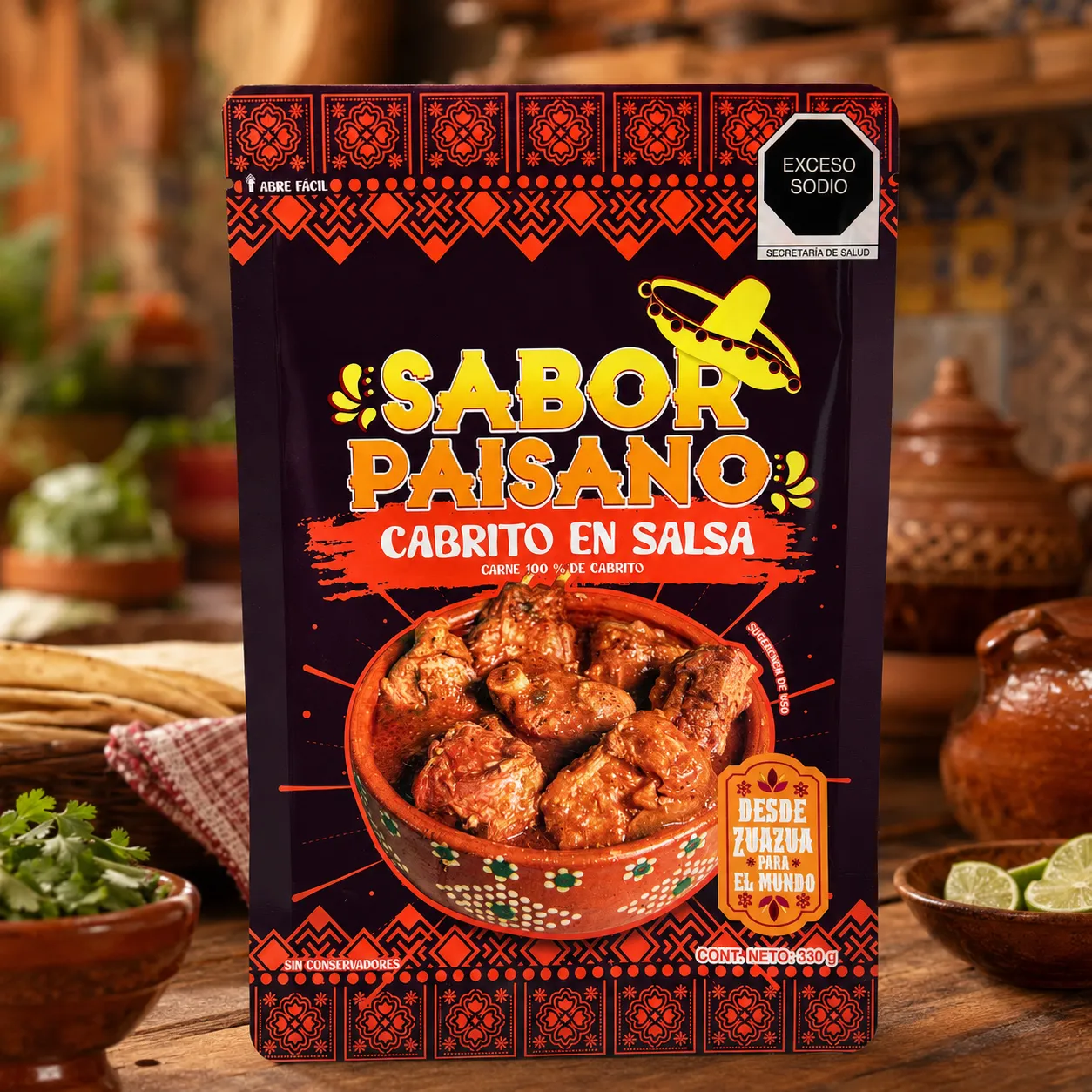
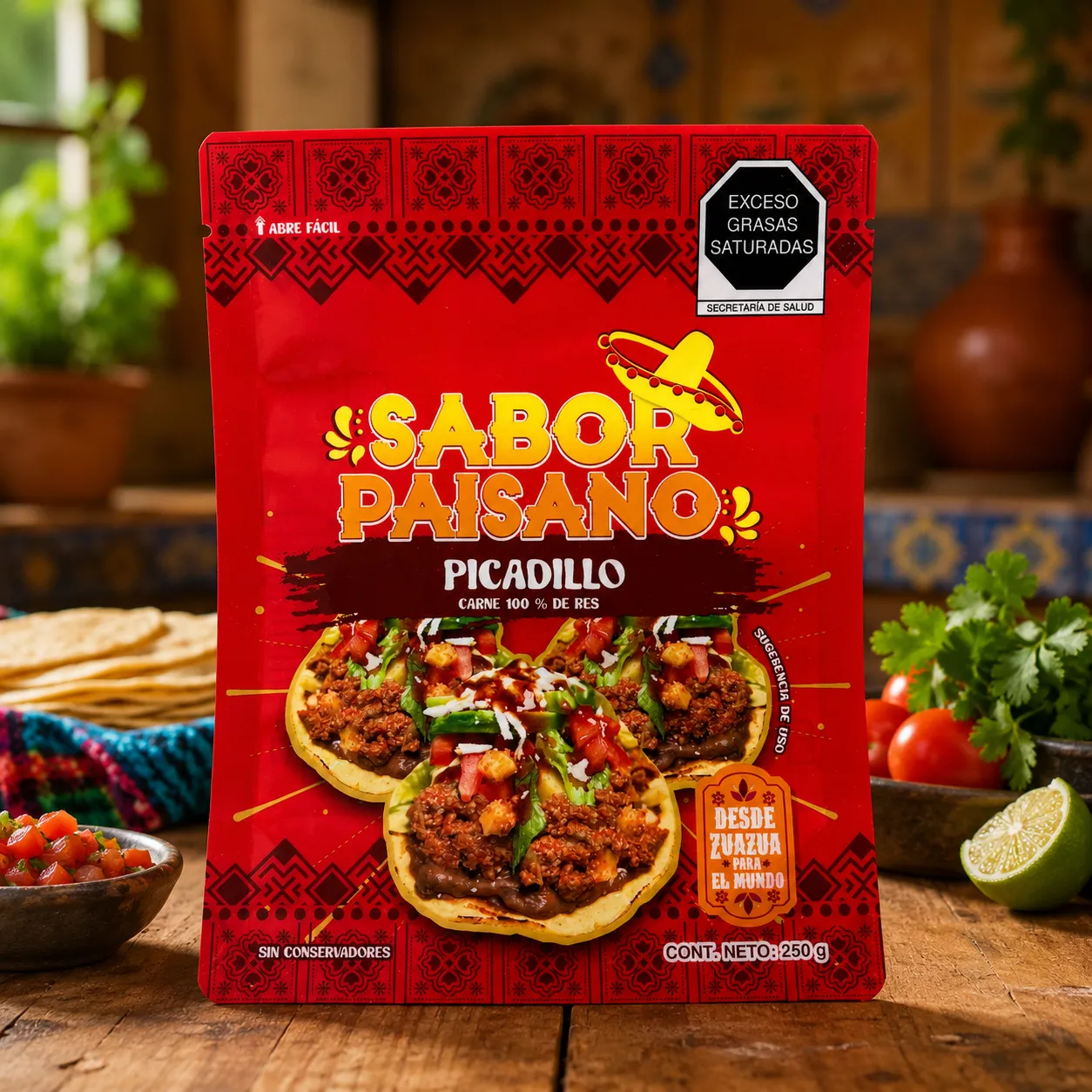
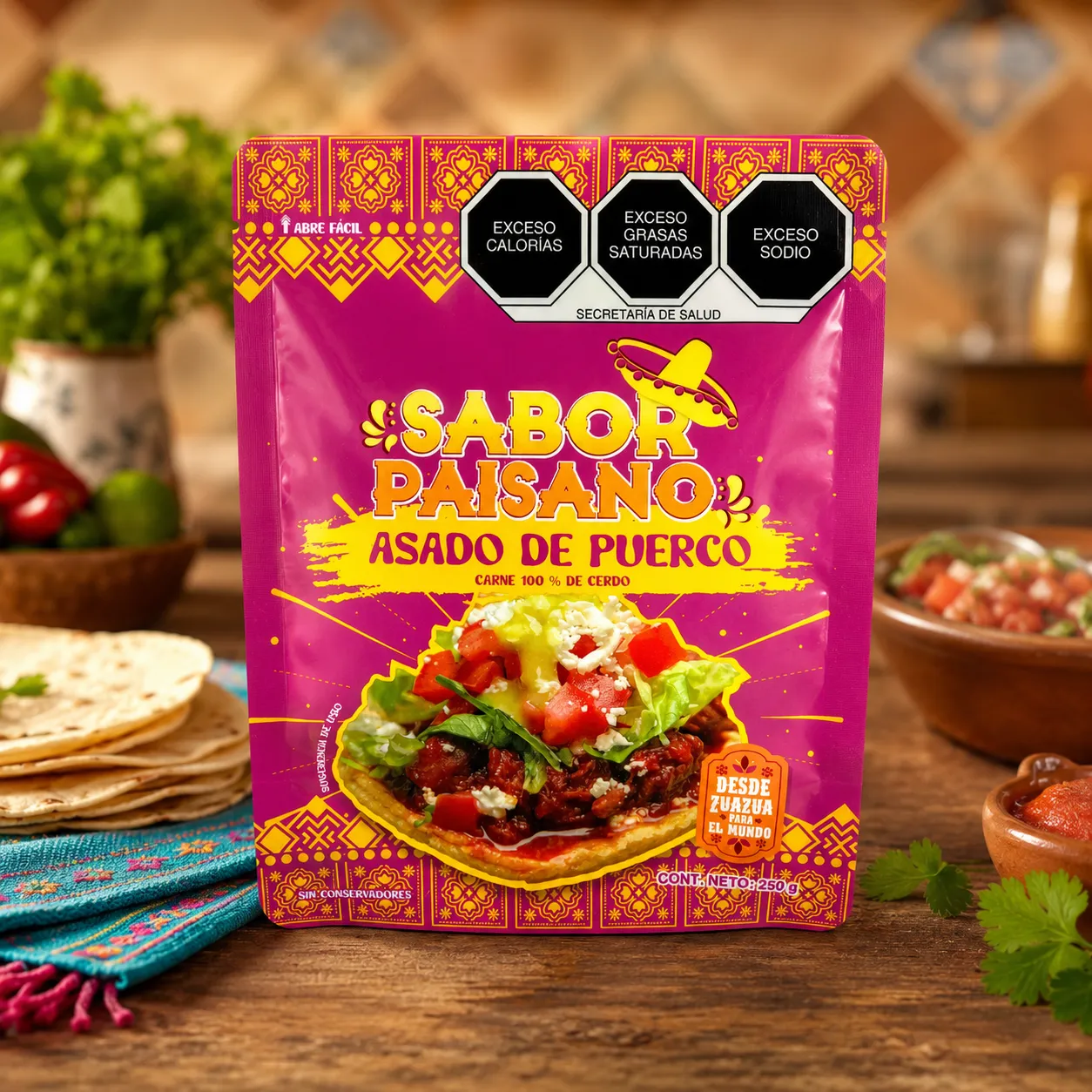
Stand-up pouches stand on the shelf and carry the brand. They are the default for snacks, dried fruit and nuts, coffee, sauces, pet food and semi-liquid products, and can be fitted with a resealable zipper, a spout, a tear notch or a clear window so the product is visible.
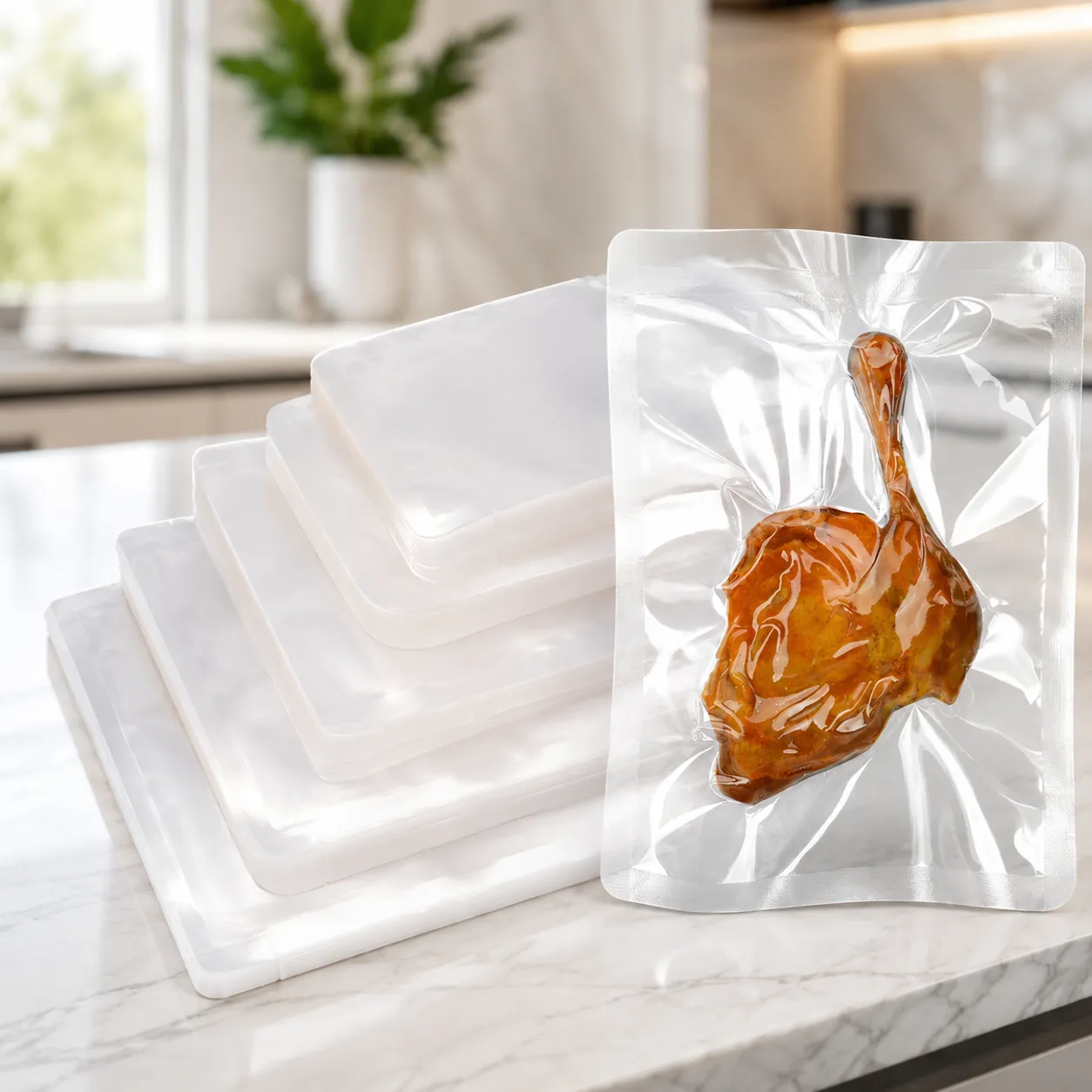
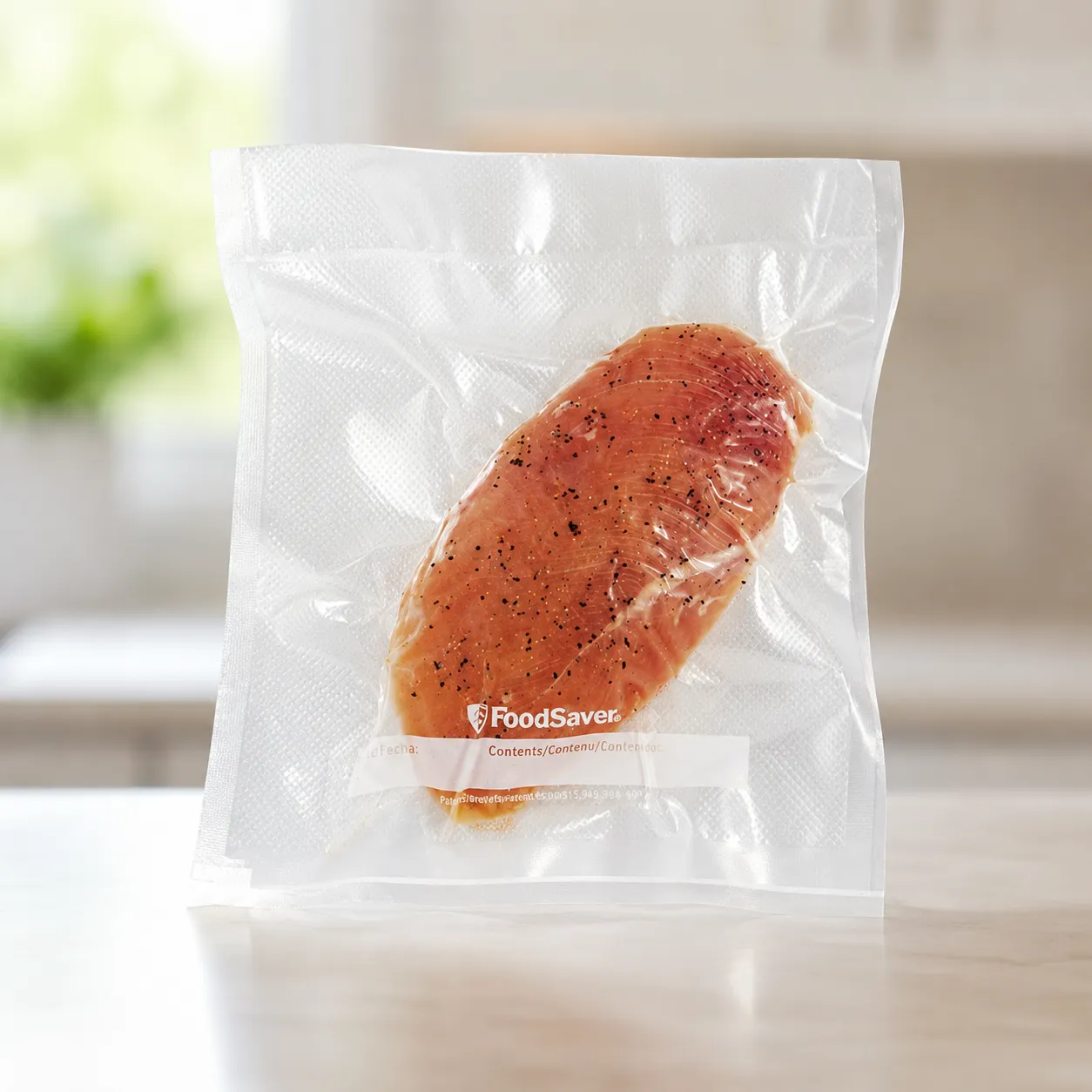
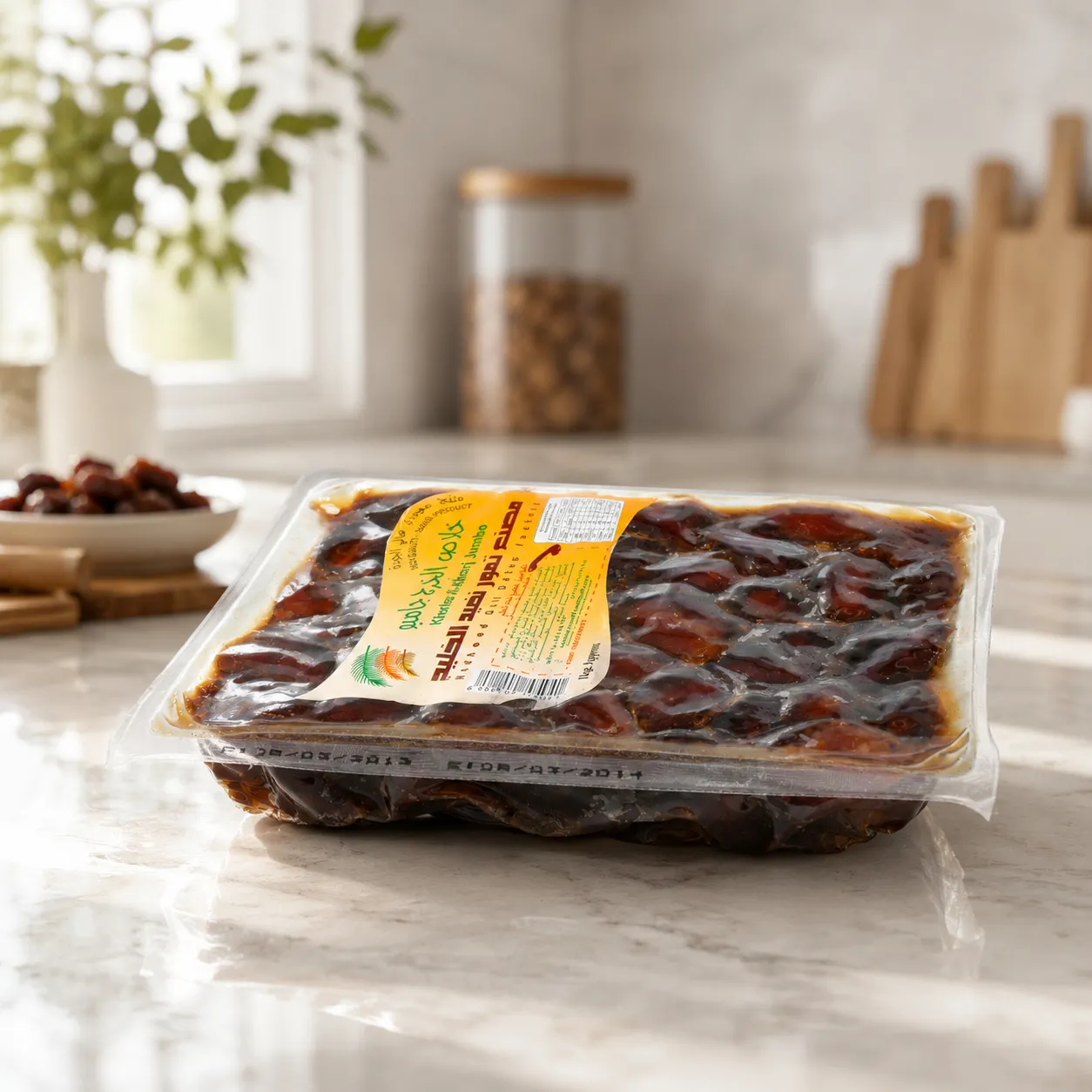
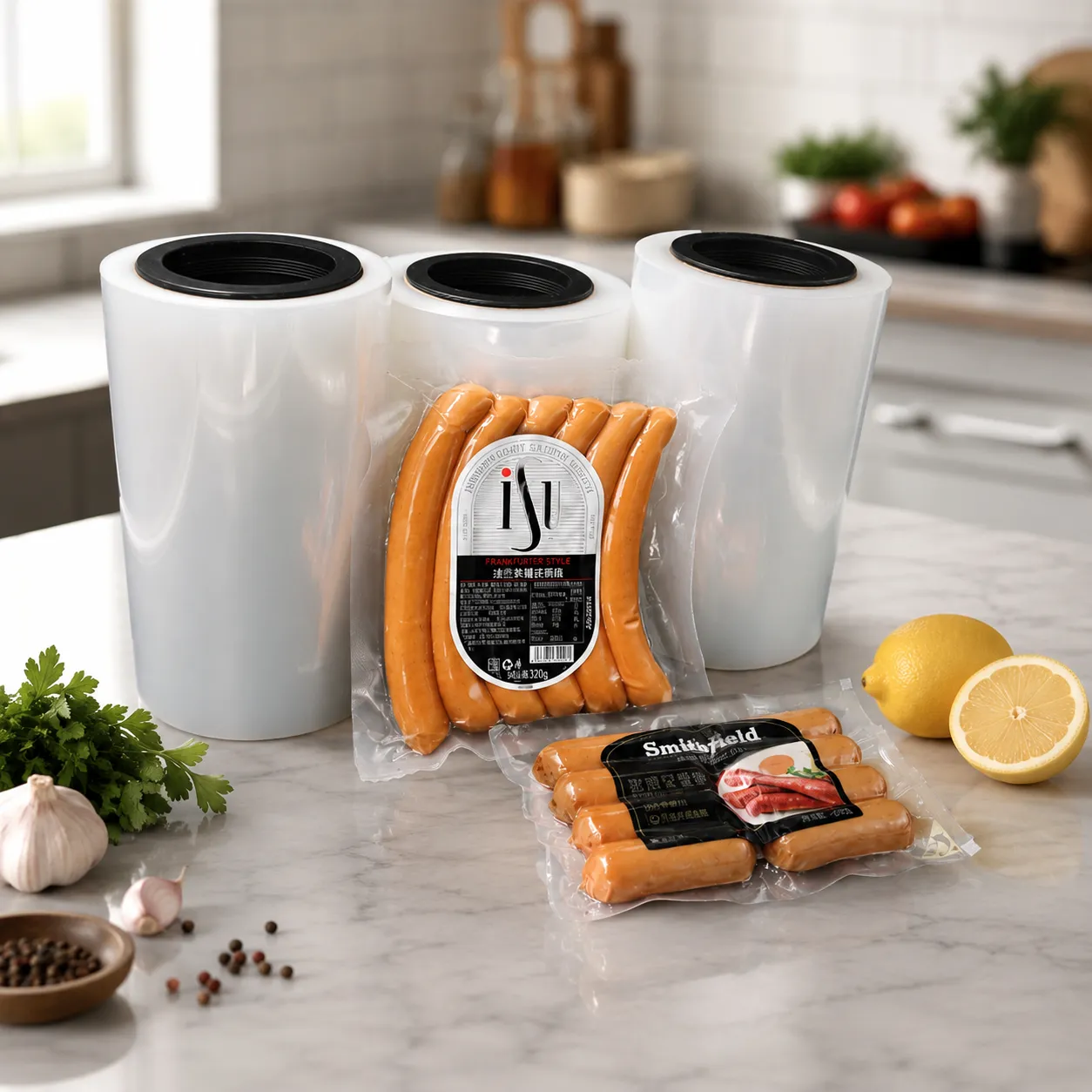
Vacuum bags are for fresh and frozen meat, poultry, sausage, cheese and fish — anything where the pack has to pull tight around the product to remove air and slow spoilage. They are usually unprinted or lightly printed, and often shipped as plain bags for the customer’s own filling line.
Retort pouches hold cooked food that has to be shelf-stable without refrigeration: curries, stews, ready meals, sauces and pet food. They are built for the retort cycle, so the seal and the film have to tolerate heat and pressure that would destroy an ordinary pouch.
Around those three: flat and three-side-seal bags for small portions and retail strips, and film on the reel for customers with automatic form-fill-seal lines.
What the film has to do
A pouch film is a laminate, and each layer has one job:
- the outer layer carries the print and resists scuffing through the filling line and the pallet;
- the barrier layer controls oxygen, moisture and light depending on what the product is sensitive to;
- the sealing layer is what actually closes the pack, and its behaviour sets the seal strength and the filling temperature window.
Because those three are matched to the product, two visually identical pouches can be completely different products. That is why we ask for the fill weight, the process and the shelf life before quoting rather than after.
Printing and finishing
Gravure printing produces the photographic quality expected on food packaging: photographic images, fine type and consistent colour across a long run. Print is finished with matte or gloss lamination, and the front can carry a clear window, a matte/gloss contrast, or a spot varnish.
Practical additions are specified in the same conversation as the format: zippers and sliders, spouts for liquid filling, degassing valves for roasted coffee, tear notches, hang holes and euro-slot holes for pegboard display.
Compliance and documents
Food-contact film is supplied with the documentation available for the material used. Tell us the destination market and the product type, and the relevant documents are provided with the quotation and with the shipment — this is part of the specification, not an afterthought at the port.
How a food packaging project runs
- You send the product, the fill weight, the process (fresh, frozen, cooked, retort) and the market.
- We propose the pouch format and the film structure, and confirm the MOQ, the cylinder cost and the price.
- You approve the artwork and the pouch specification; a printed sample is issued for the filling trial.
- We print, laminate, convert, inspect and pack the order for shipment.
If you are moving a product from a rigid pack to a pouch, or from one film to another, the filling trial is the step that saves the most money — it is far cheaper to reject a sample than a container.