Most food packaging mistakes are made before the artwork exists. The format and the film are chosen to suit the product and the process; the print comes after. This guide covers the three formats we produce most often, and the questions that decide between them.
Match the pack to the storage life
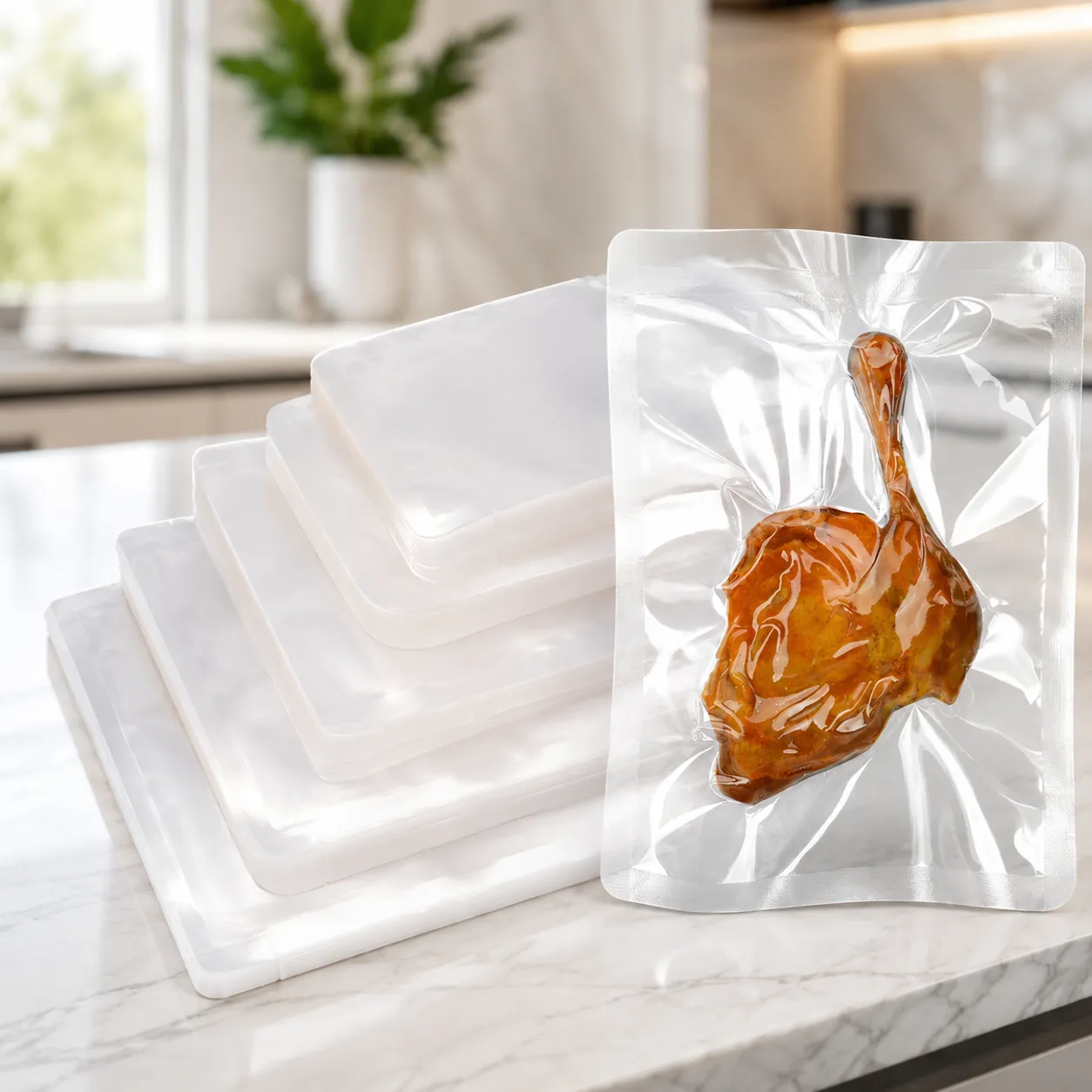
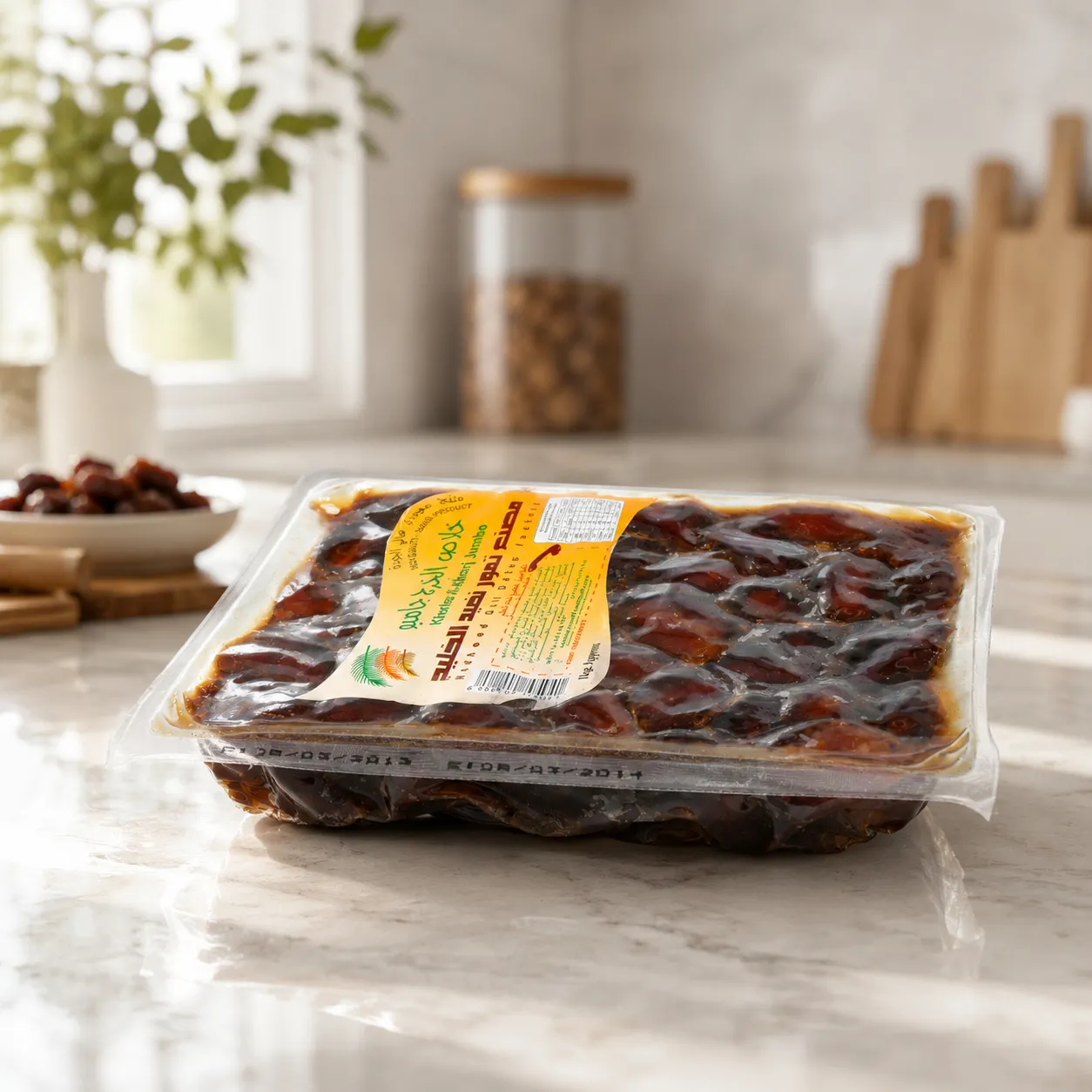
Fresh, chilled or frozen — vacuum bags. Pulling a vacuum removes the air that spoils meat and fish, protects against freezer burn and makes the pack compact for transport. Typical products: beef, pork, poultry, sausage, smoked fish, hard cheese.
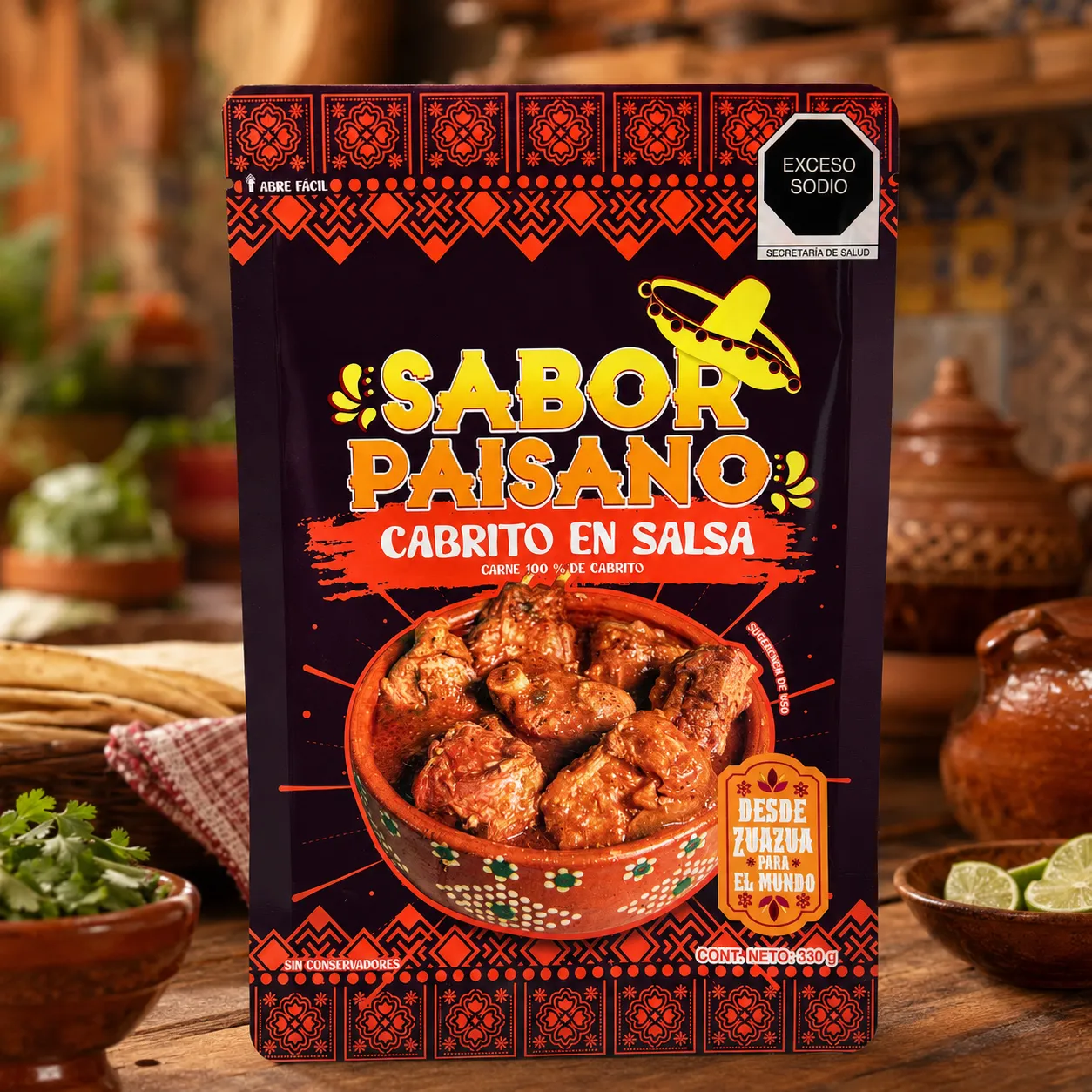
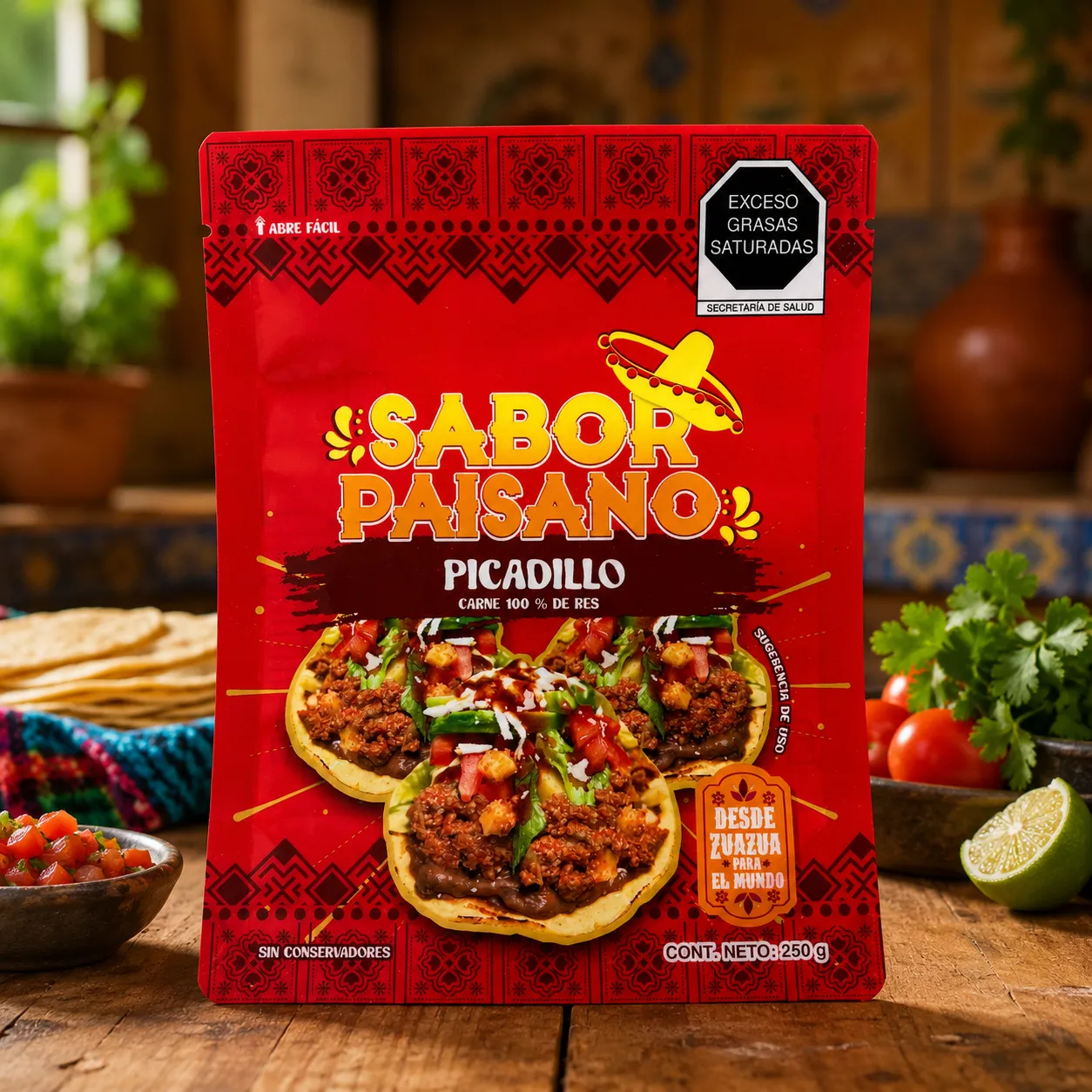
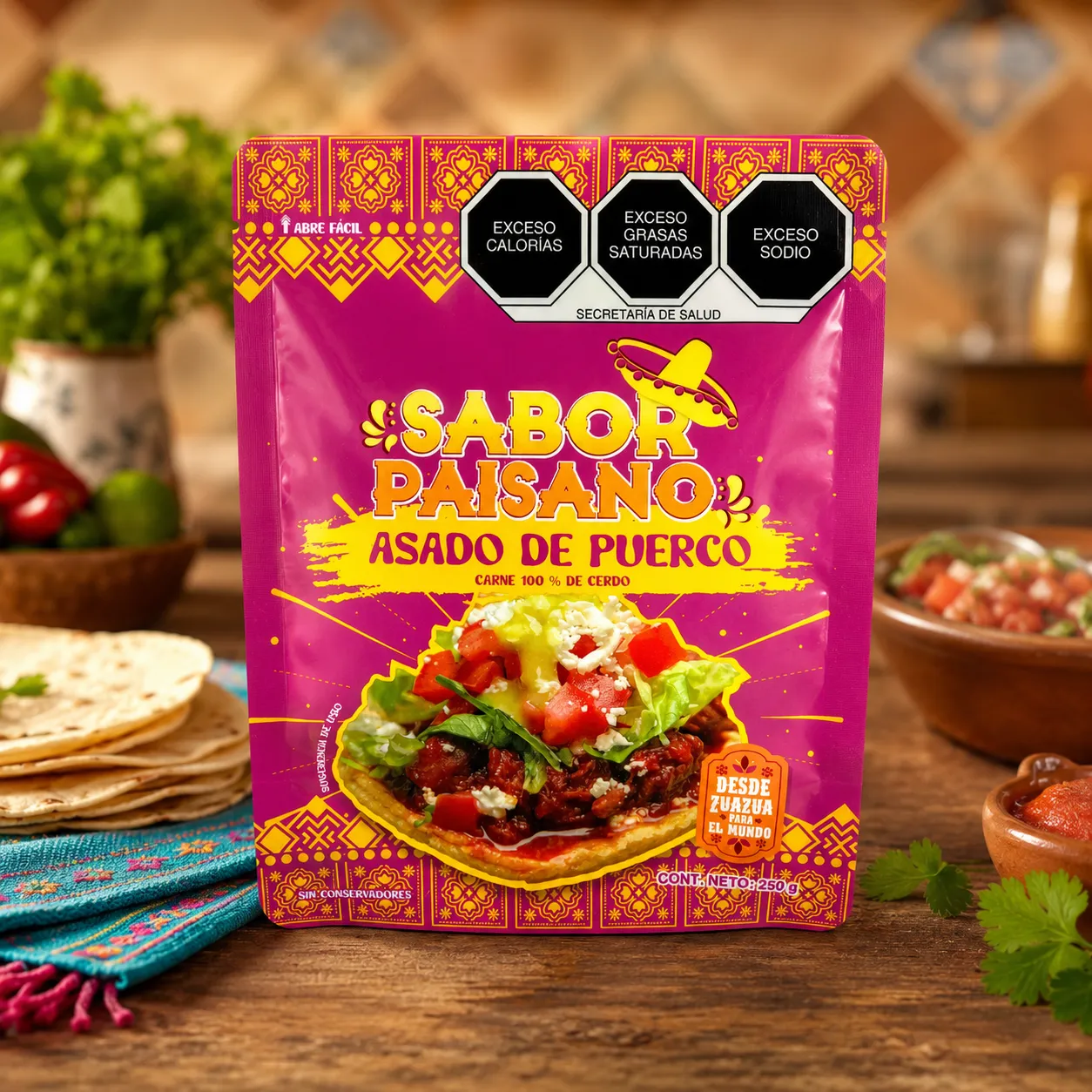
Dry, semi-liquid, snack — stand-up pouches. The pack stands on the shelf, shows the brand, and can be resealed with a zipper so the product lasts after opening. Typical products: dried fruit and nuts, coffee and tea, snacks, pet treats, sauces and marinades, spice blends.
Cooked food that must not need a fridge — retort pouches. The pouch and the seal tolerate sterilisation heat, so the finished product is shelf-stable. Typical products: curries, stews, ready meals, sauces, rice dishes, wet pet food.
Around these: flat and three-side-seal bags for small portions and retail strips, and printed film on the reel for customers running automatic form-fill-seal lines.
How the film structure gets decided
A pouch is a laminate, and each layer has one job:
- Outer layer — carries the print and resists scuffing through the filling line and the pallet.
- Barrier layer — controls oxygen, moisture and light according to what the product is sensitive to.
- Sealing layer — the layer that actually closes the pack, setting seal strength and the filling temperature window.
Two pouches that look identical on a screen can differ completely here. This is why the fill weight, the process and the shelf life have to be known before the price means anything.
Print, lamination and the extras
Gravure printing gives photographic artwork and fine type at production speed, consistent over a long run, with matte or gloss lamination for abrasion resistance. Available additions, specified with the format:
- Resealable zippers and sliders
- Spouts for liquid filling
- Degassing valves for roasted coffee
- Tear notches, hang holes and euro-slot holes
- Clear windows to show the product
What changes the price
- Bag format and size — a larger pouch uses more film per unit
- Film structure — additional barrier layers cost more than a simple laminate
- Number of print colours and cylinder count — each layout needs its own cylinders
- Additions — zippers, spouts and valves are separate operations
- Quantity — the fixed tooling is spread further over a larger run
Test before you commit
For any change of format or film, run a filling trial with a printed sample. Seal strength, filling speed and product behaviour inside the pouch are all cheaper to discover on a sample than on a container — especially for retort, where the seal has to survive the process cycle.
Ordering at a glance
- Product, fill weight, process and market
- Proposed format and film structure, MOQ, cylinder cost and price
- Artwork approval and a printed sample for the filling trial
- Print, laminate, convert, inspect, pack and ship
Send those first four lines of information and the specification conversation takes one exchange instead of five.